
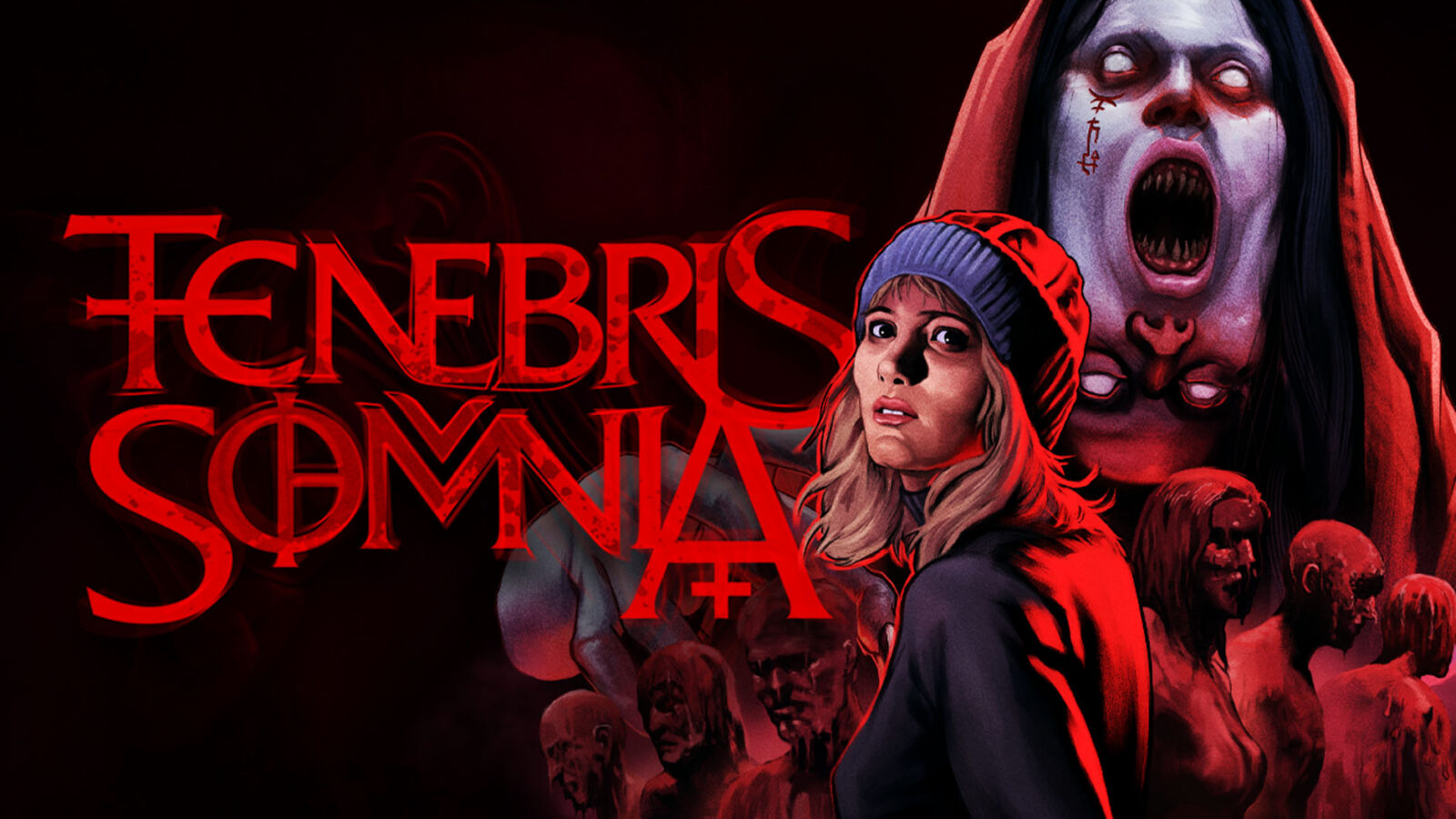
A pixel-art hallway can become a live-action nightmare without warning in Tenebris Somnia. The survival horror game from filmmaker and developer Andrés Borghi and Saibot Studios joins 2D exploration with filmed scenes, practical creature effects and real locations.
In an October 16 Xbox Wire feature, executive producer Airdorf explains how the filmmakers and game team connected those two visual forms. Published by New Blood Interactive, the game launched on Xbox Series X|S and Xbox on PC on October 16, 2026.
Official Xbox launch trailer for Tenebris Somnia. Contains horror imagery.
Project: Tenebris Somnia
Production: Andrés Borghi / Saibot Studios / New Blood Interactive
Tenebris Somnia imagery and marks belong to their respective rights holders. Published by New Blood Interactive.
Two versions of the same world
Borghi conceived a pixel horror game with live-action cutscenes, then developed a demo with Saibot Studios lead Tobías Rusjan. The game's protagonist Julia investigates after disturbing nightmares about her former boyfriend. Its small-scale pixel scenes and filmed sequences share the same unsettling spaces.
Airdorf describes the work of matching film sets to their in-game counterparts through planning, physical set dressing and CGI. That continuity is the creative challenge: the transition changes the detail and texture of the image, while the location still needs to feel recognisable. This is Re:Drawn's interpretation of the approach described by the producer.
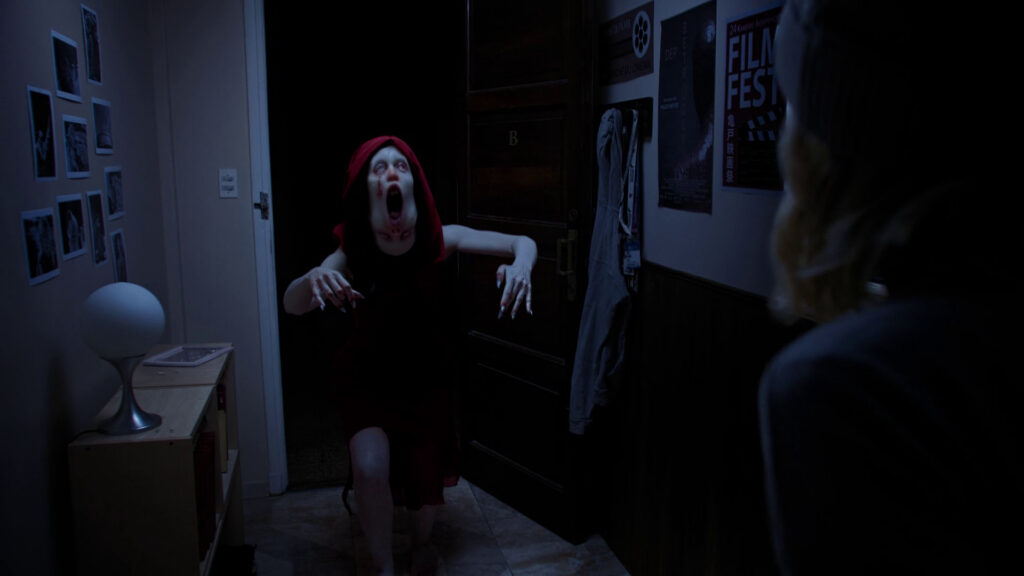
A live-action scene from Tenebris Somnia, shown in the Xbox Wire feature.
Project: Tenebris Somnia
Production: Andrés Borghi / Saibot Studios / New Blood Interactive
Tenebris Somnia imagery and marks belong to their respective rights holders. Published by New Blood Interactive.
Practical effects in front of the camera
The production filmed in Buenos Aires with a professional crew. Airdorf credits Marcos Berta with supervising practical monster effects and names Clara Kovacic as the performer playing Julia. Borghi directed and storyboarded the film sequences.
For creature effects, the team made silicone masks and prosthetics from performers' faces and fitted them with makeup, a process Airdorf says took hours. A behind-the-scenes image in the feature shows people gathered around a dining table with lighting equipment visible, offering a glimpse of the physical production.
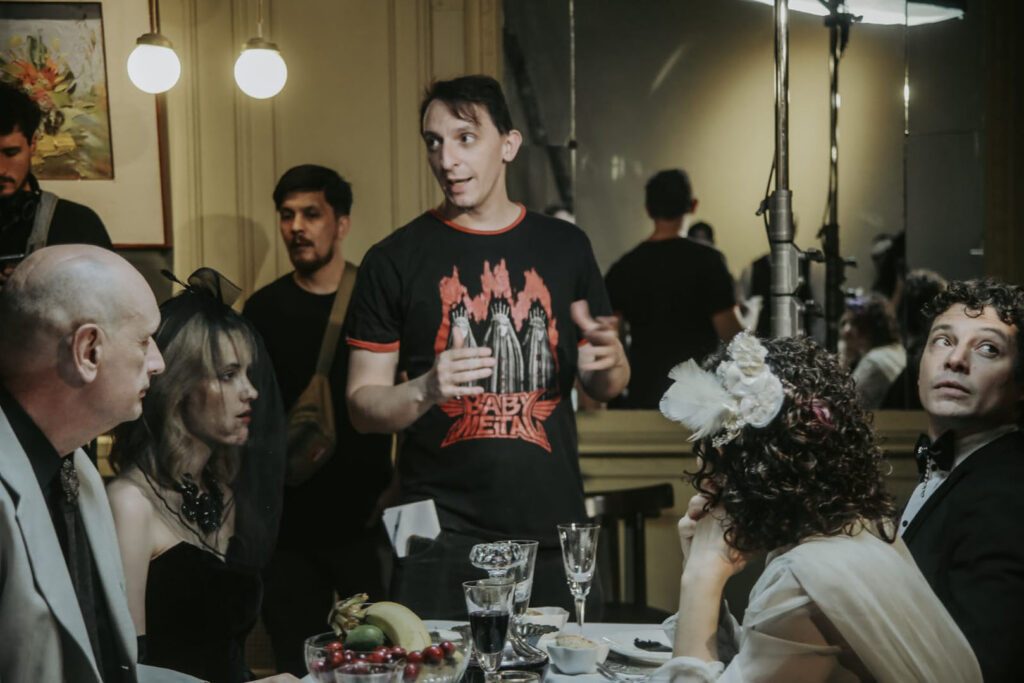
The production crew working on a live-action set for Tenebris Somnia.
Project: Tenebris Somnia
Production: Andrés Borghi / Saibot Studios / New Blood Interactive
Tenebris Somnia imagery and marks belong to their respective rights holders. Published by New Blood Interactive.
A cutscene can change the pace
Airdorf says the filmed sequences are tied directly to gameplay rather than reserved for the end of a section. A scene can begin or end around an enemy encounter, so the player does not always know whether a transition will lead back into immediate danger.
The contrast makes each format do different work. Pixel art leaves room for the player to read and explore a space, while filmed faces and prosthetics can bring a threat closer. That contrast is an editorial reading; the producer's account connects the unpredictable transitions to suspense.
Comments