
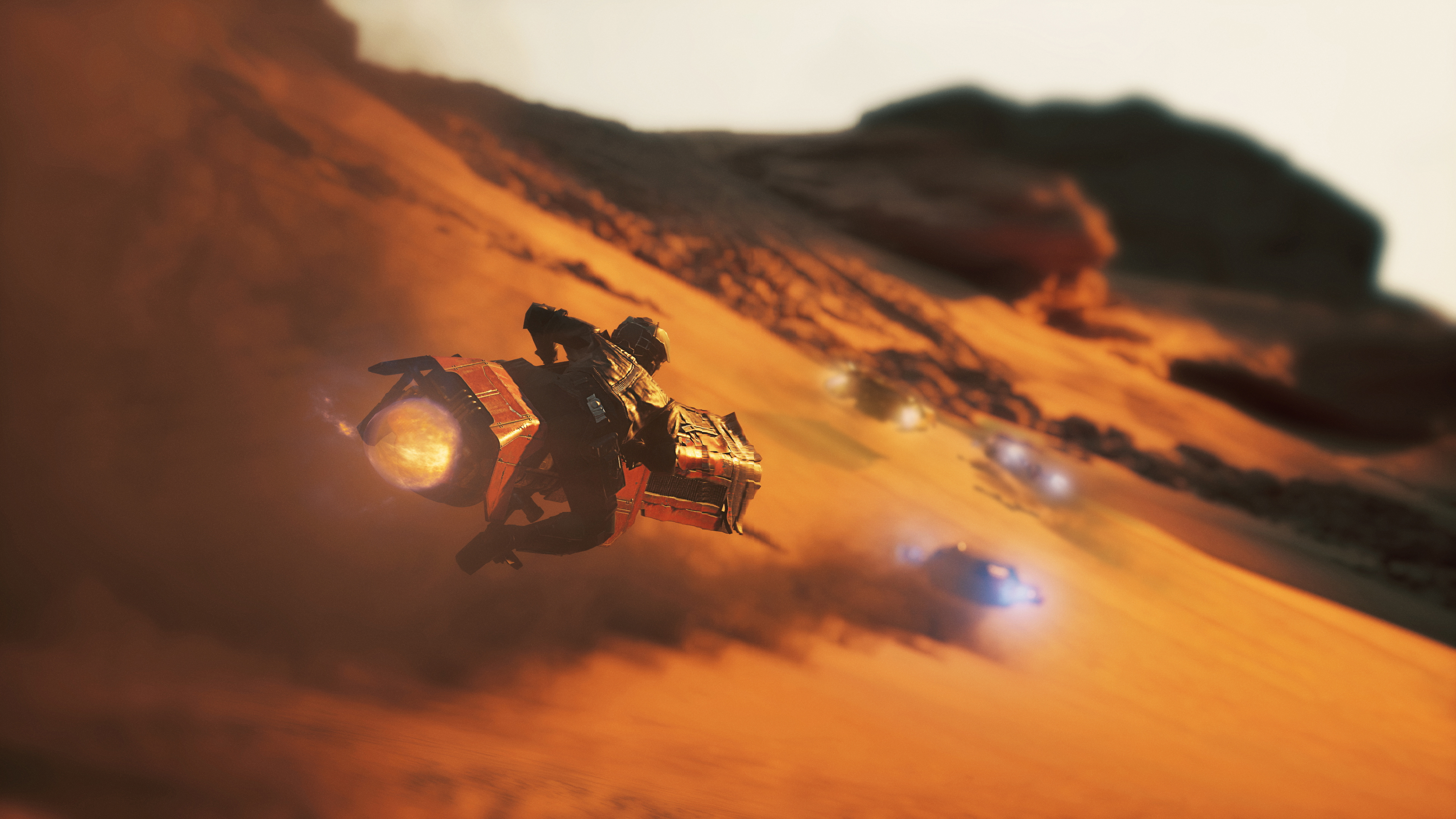
A rider leaning into a corner tells a story about both character and machine. In Star Wars: Galactic Racer, Fuse Games uses those movements to help players read what their vehicles are doing at speed.
In a November 5 interview with 80 Level, animation director Andy Miller explained how the team linked character animation to vehicle physics and player input while giving pilots their own physical identities.
A shared system with individual details
Miller says acceleration, steering, impact direction and crash state feed a layered animation system. On speeder bikes, a rider's lean can signal the force of a turn, while a rough landing produces a larger reaction.
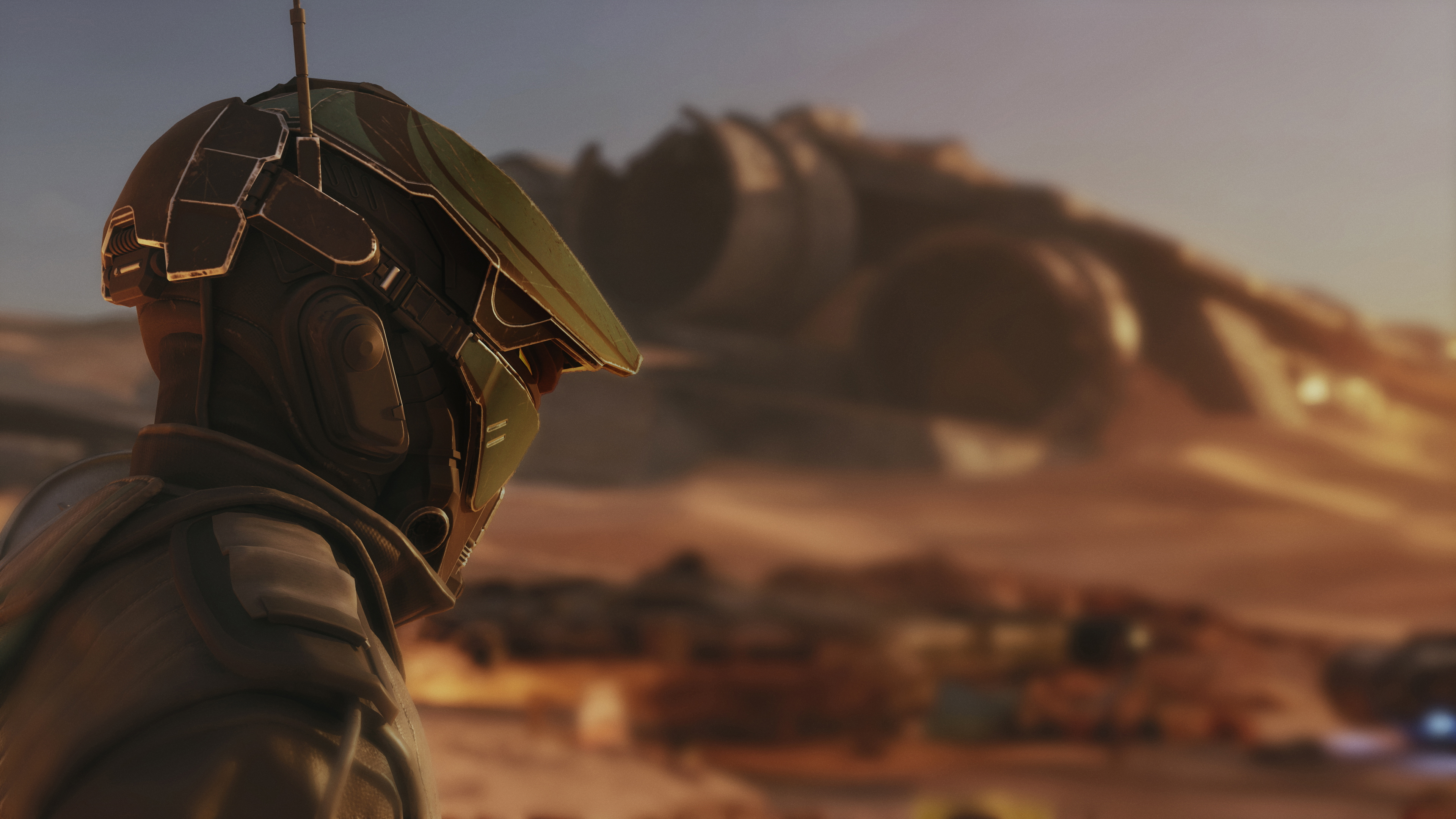
A helmeted character appears in another official image from the game.
Project: Star Wars: Galactic Racer
Production: Fuse Games
STAR WARS © & ™ 2026 Lucasfilm Ltd. Fuse Games and Secret Mode are respective rights holders. Separate editorial reuse permission unconfirmed.
A shared animation blueprint establishes the basic logic across characters and vehicles. Individual versions then replace particular poses or movements: Miller points to Sebulba's whiskers moving faster in the wind and Biddy Blas' legs hanging from a bike.
Official gameplay trailer for Star Wars: Galactic Racer.
Project: Star Wars: Galactic Racer
Production: Fuse Games
STAR WARS © & ™ 2026 Lucasfilm Ltd. Fuse Games and Secret Mode are respective rights holders. Separate editorial reuse permission unconfirmed.
Knowing when to hold back
Characterful reactions have more room when the player has already crashed, Miller says. During a race, larger gestures risk distracting from hazards and controls; the team instead focused on clear feedback, including a pilot looking back when the player uses the rear-view camera.
Miller credits physics engineers, technical artists and visual effects artists for dynamic vehicle behaviour and components that can detach in crashes. The animation team contributed to early prototypes and previs, helping the wider team align on the intended feel.
The game launched on October 6 for PlayStation 5, Xbox Series X|S and PC. Its varied cast also required different performance methods: Miller says humanoid characters used in-house motion capture, while less humanoid figures such as Hibi and Sebulba called for keyframe animation.
Comments