
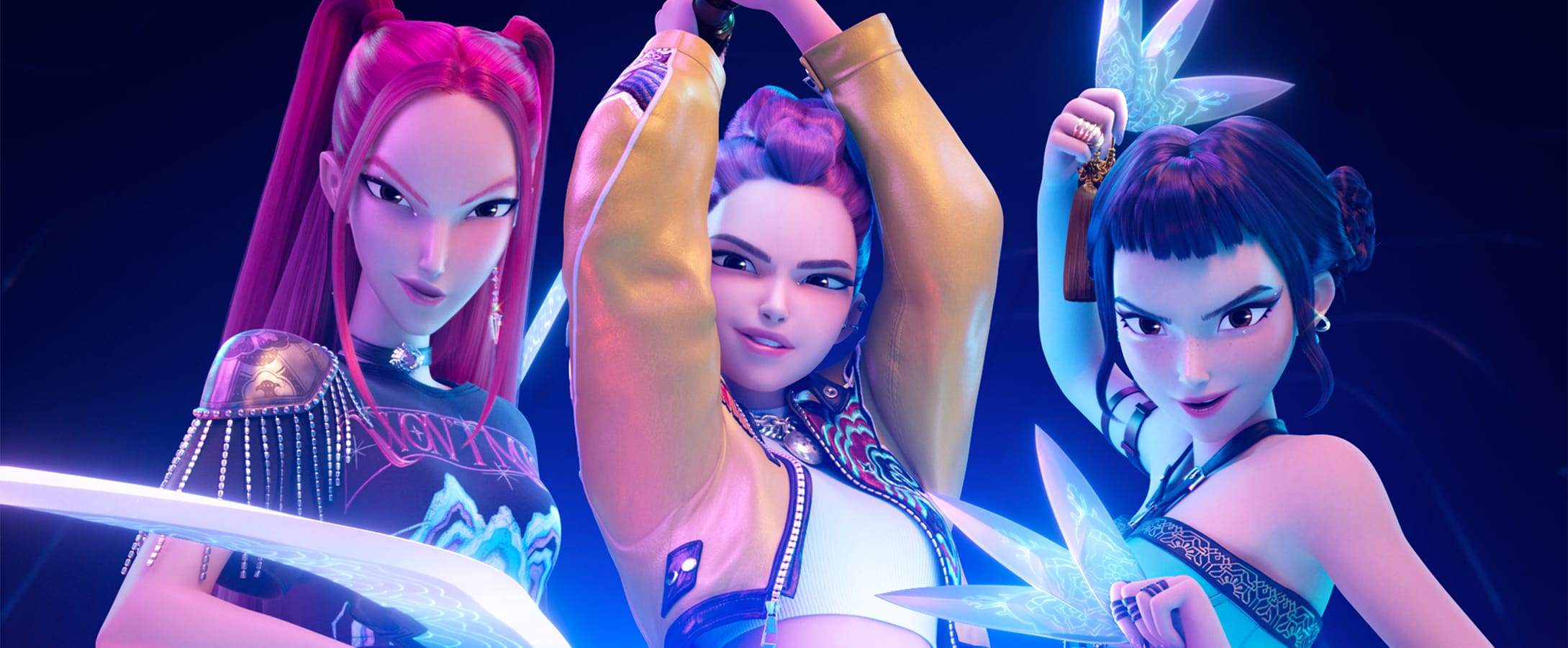
A cramped airplane cabin, a bowl of ramyeon and an escalating demon fight introduce HUNTR/X before they reach the stage. A newly released Criterion featurette looks back at how the opening of KPop Demon Hunters moved from early drafts to its final mix.
Created by Taylor Ramos and Tony Zhou of Every Frame a Painting, the video accompanies Criterion's new director-approved home release. The edition also includes a full feature-length animatic and a making-of documentary.
Two airplanes, one continuous fight
Co-director Chris Appelhans told CGMagazine that board artists developed different passes to work out the sequence's structure. The joke holding the action together is simple: the heroes are less worried about the demons than the interruption to their meal.
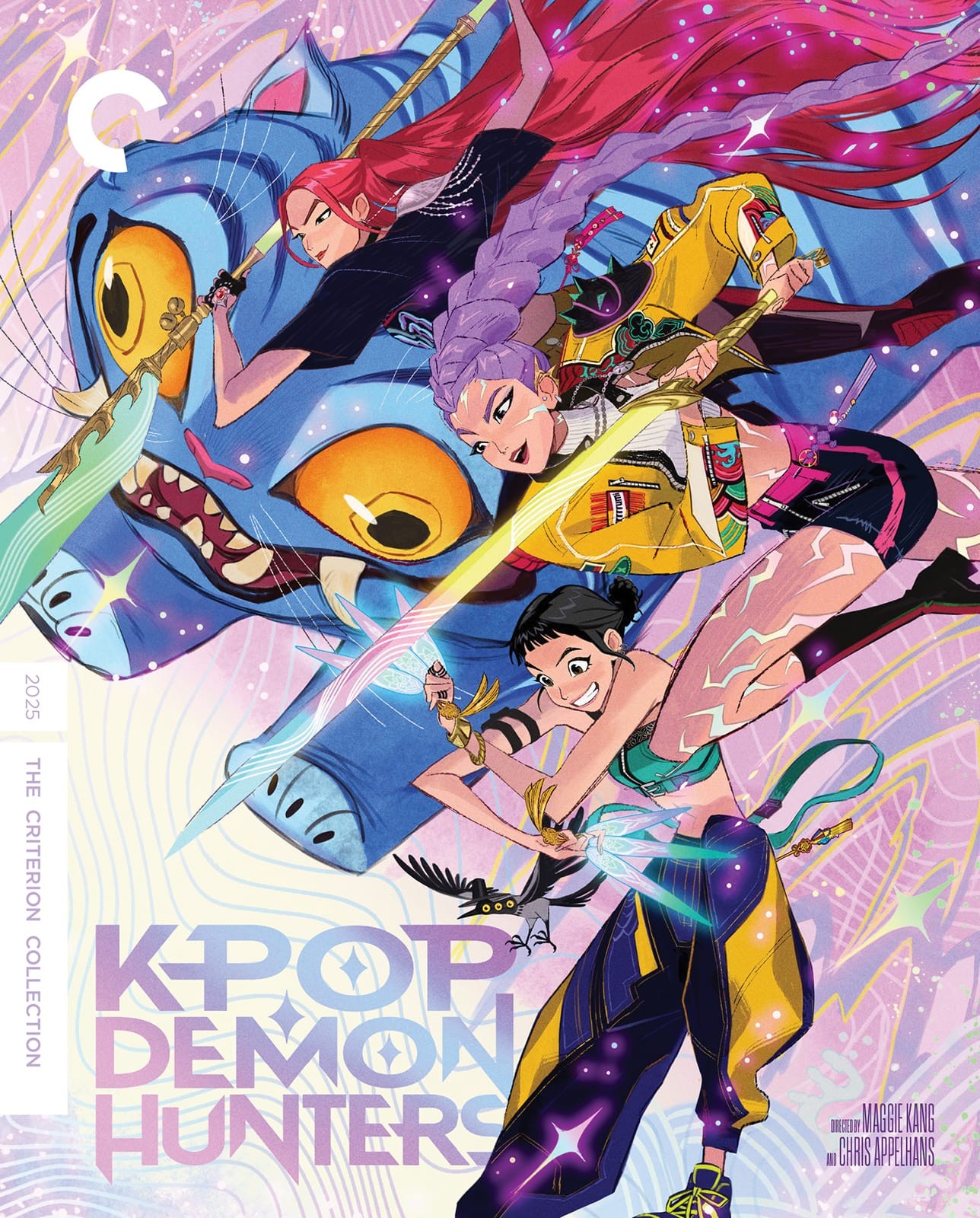
Ami Thompson's cover for Criterion's KPop Demon Hunters edition.
Project: KPop Demon Hunters
Production: Sony Pictures Animation / Netflix
KPop Demon Hunters imagery belongs to its respective rights holders. Separate editorial reuse permission unconfirmed.
Appelhans says some animators first blocked complex shots in 2D, working out camera movement, overlapping action and perspective before the team resolved them in 3D. The sequence also uses two airplane sets: when the song begins, the cabin becomes larger, with the change hidden in a cut.
Criterion's featurette brings the filmmakers together to revisit the airplane sequence.
Project: KPop Demon Hunters
Production: Sony Pictures Animation / Netflix
KPop Demon Hunters imagery belongs to its respective rights holders. Separate editorial reuse permission unconfirmed.
Cutting room for story
Editor Nathan Schauf told Art of the Cut that the opening went through many revisions and thousands of storyboards. In faster shots, individual boards could appear for only a few frames, while slower dialogue moments held longer.
Schauf describes a central challenge of musical editing: finding space inside the song for dialogue and story beats. That balance matters here because the opening establishes the group's personalities while the fight, music and camera movement compete for attention.
The Criterion edition credits the new cover to character designer Ami Thompson. Its full-length animatic offers another way to follow the film's visual planning beyond this single sequence.
Comments