
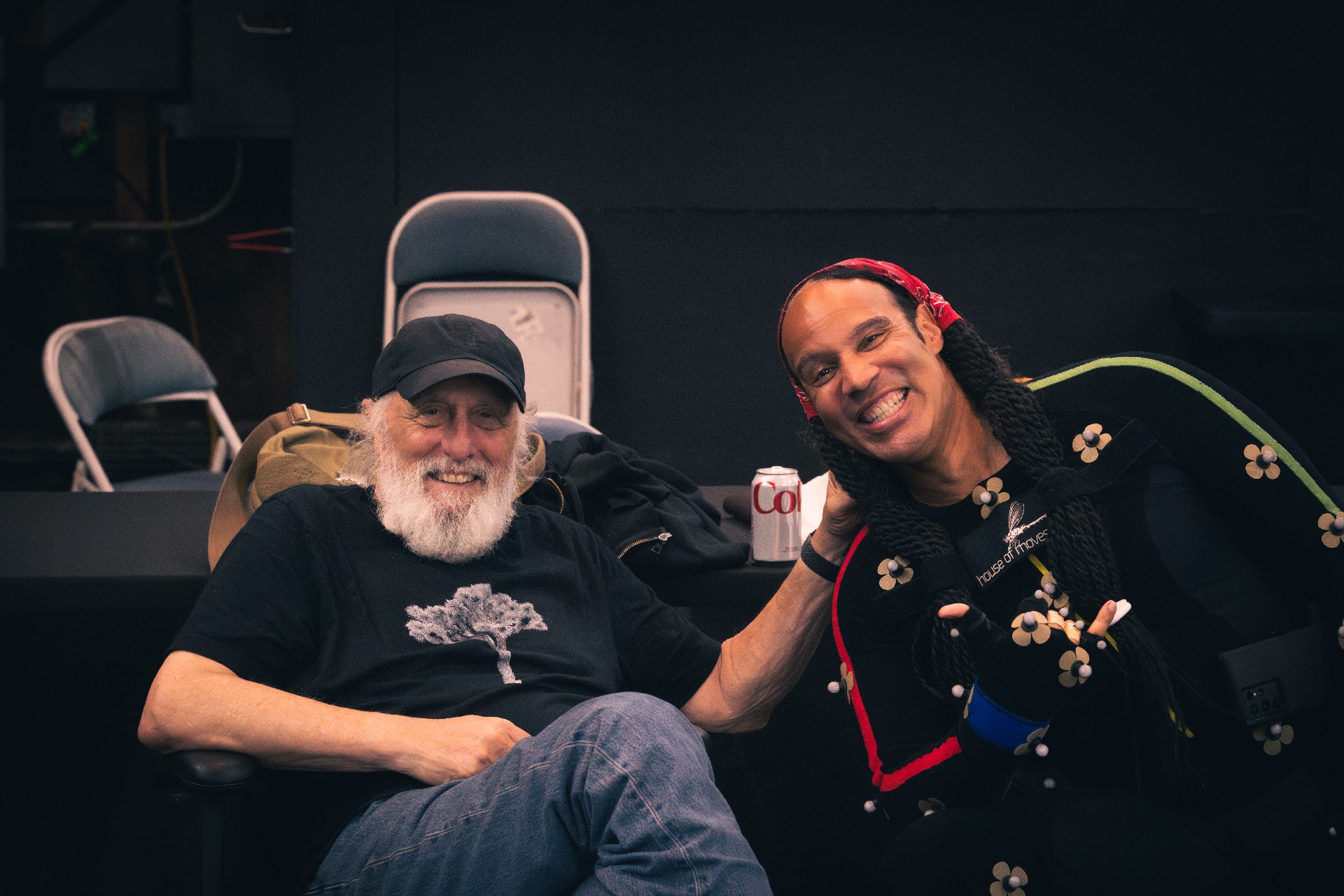
Michael Myers' walk and head tilt were part of a motion-capture session for Halloween: The Game, bringing original 1978 performer Nick Castle back to the character. In an October 30 interview with 80 Level, IllFonic chief creative officer Jared Gerritzen discussed how the team approached the killer's movement and the world around him.
The game launched on September 8, 2026. Its recreation of Haddonfield draws on the first film, while its multiplayer mode turns the familiar town into a space for stalking and escape.
A performance shared across generations
Gerritzen told 80 Level that Castle wore a motion-capture suit so the team could record his movements. The animators also spoke with Castle and the rights holders about how Michael moves, he said.
An earlier interview on the official game website identifies actor and stunt performer TJ Storm as another contributor to the motion-capture work. Castle described revisiting the character's walk and head tilt, while Storm incorporated his suggestions. The two sources describe a collaboration rather than attributing the entire performance to one person.
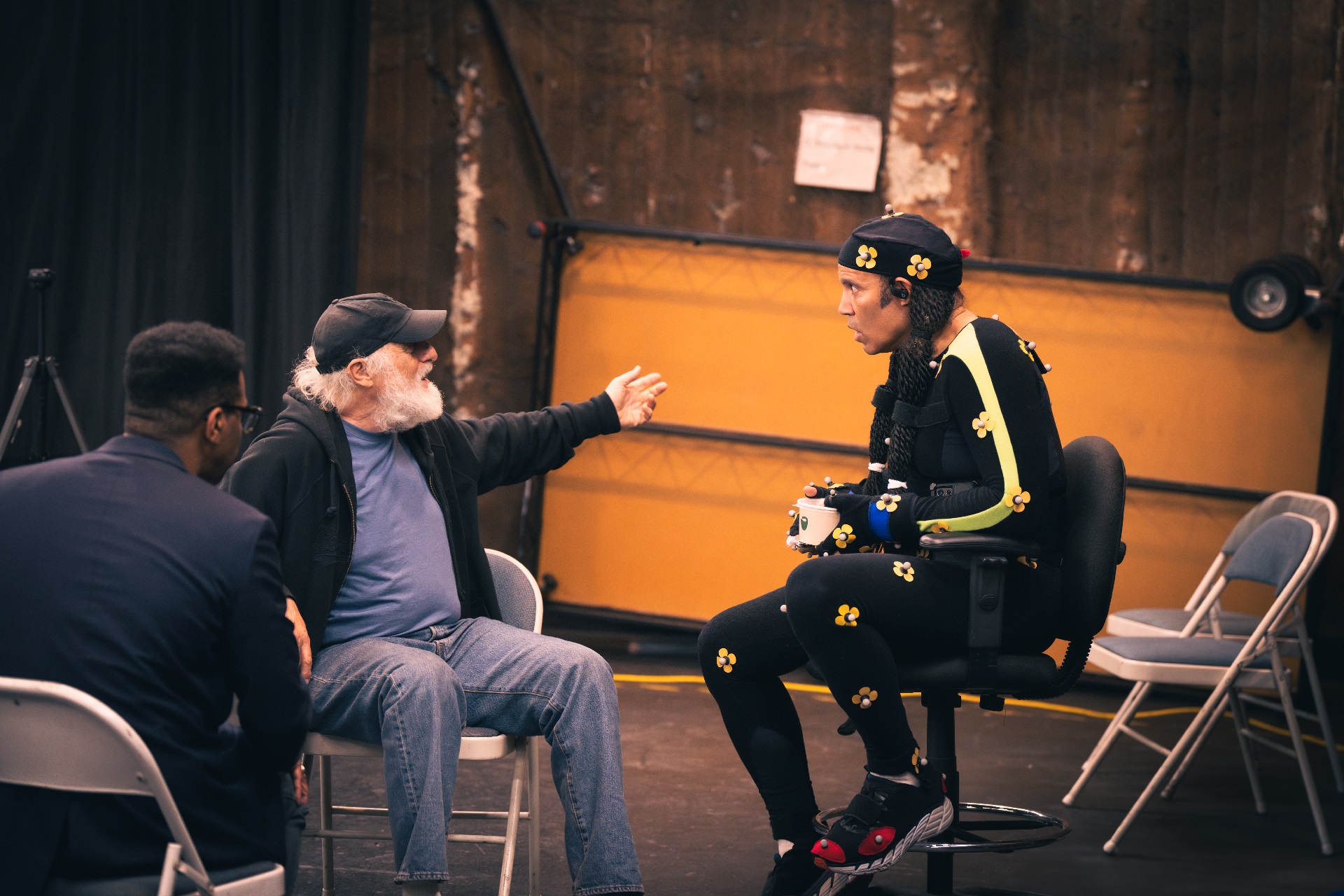
Castle and Storm at the motion-capture session shown on the official game website.
Project: Halloween: The Game
Production: IllFonic
Halloween and Michael Myers are trademarks of Compass International Pictures. Image rights belong to their respective holders.
Making Haddonfield feel ordinary
Gerritzen told 80 Level that the team used film references, online research and his memories of the 1970s to inform locations, clothing and the broader period feel. He described restraint as part of the challenge: the neighborhood needed to feel like an ordinary American town.
That ordinary setting gives the character a recognizable environment to interrupt. The contrast is an editorial reading of Gerritzen's comments, rather than a production claim from the team.
Read David Jagneaux's interview with Jared Gerritzen at 80 Level
Light that can change
Gerritzen also pointed to dynamic lighting in Unreal Engine 5. Unlike fixed baked lighting, he said, it allowed the team to change lighting during a match and affect large areas through power boxes, as well as create a distinct look for Michael's Shapejump space.
The result connects film reference with practical choices for an interactive setting: a recognizable performance, period environments and lighting that can respond as a match unfolds.
Comments